


Miami is a city known for its warm climate, vibrant coastal life, and unfortunately, the extreme weather conditions that can impact the infrastructure of homes. One of the most important and exposed elements of any home in this city is the roof, as it constantly faces challenges due to humidity, heavy rains, and strong winds.
Roof repair in Miami is not only essential to maintain the aesthetics of the home, but it is also crucial to ensure the protection and structural integrity of the property. Climate fluctuations and constant exposure to the salinity in the air cause roofs in this region to deteriorate more quickly. From moisture buildup that fosters mold growth to damage caused by tropical storms, it is vital to address any roofing issues promptly to avoid major problems.
In this article, we will explore the most important aspects of roof repair, signs that your roof needs attention, the different types of materials used, and how to choose the right professionals to get the job done efficiently.
WHY IS IT IMPORTANT TO REPAIR YOUR HOME’S ROOF?
The roof is the first line of defense of any home against the elements. In Miami, where storms are frequent and winds can be extremely strong, the integrity of the roof is crucial to protect the occupants and the belongings inside the home. Torrential rains, combined with constant humidity, create an environment prone to the deterioration of materials like asphalt, wood, and metal, which are commonly used in roofing construction.
If a roof begins to deteriorate, even small leaks can quickly turn into larger issues; water leaks can cause damage to the internal structure, such as walls, floors, and furniture, leading to costly repairs if not addressed promptly. Additionally, structural damage can compromise the stability of the home, putting the safety of the residents at risk.
COMMON SIGNS YOUR ROOF NEEDS REPAIR
There are several signs that may indicate your roof needs urgent repair. Some of the most common ones include:
Water leaks: If you notice water stains on the ceiling or interior walls, there is likely a leak in the roof that needs to be repaired.
Broken shingles or materials: Broken or missing shingles or tiles indicate that the roof has suffered some physical damage. This could be due to strong winds or natural wear and tear.
Material detachment: If you notice that the roofing material is peeling off or eroding, it may be a sign that the roof is losing its ability to protect the home’s structure.
Mold and fungi: The presence of mold is a clear indication that moisture is affecting the structure of your home. Mold is not only an aesthetic issue but also a health risk.
COMMON ROOFING MATERIALS IN MIAMI
Roofs in Miami homes can be made of various materials, each with its advantages and disadvantages when it comes to repair and maintenance. The most common materials include:
Asphalt shingles: This type of roof is one of the most popular in Miami due to its affordable cost and ease of installation. However, asphalt shingles can deteriorate quickly due to exposure to heat and humidity. Repairing asphalt shingles typically involves replacing damaged shingles or applying a waterproof coating.
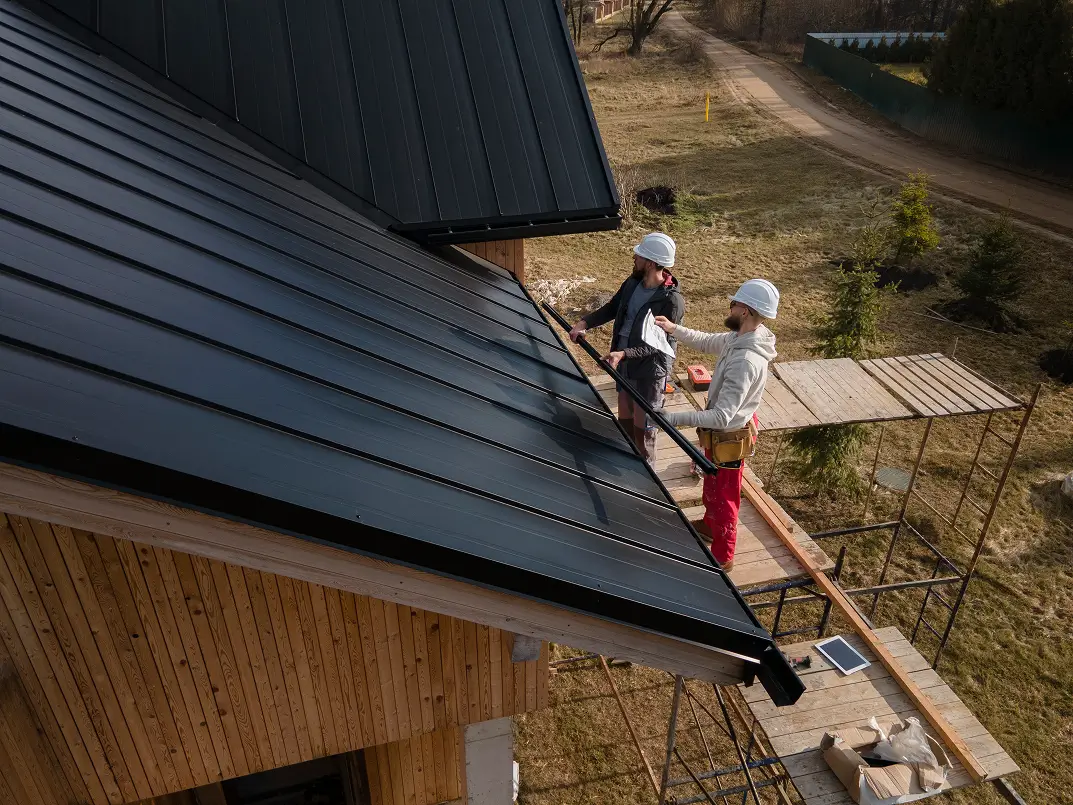
Metal roofs: Metal roofs are very durable and provide excellent resistance against storms. However, damage from corrosion or impacts can be an issue. Repairs are usually simpler and often only require replacing damaged panels.
Clay tiles: While more common in Mediterranean-style homes, clay tiles are excellent for resisting moisture. However, they can be fragile and may break under impacts or due to thermal expansion and contraction. Repairs typically involve replacing broken tiles or reinstalling displaced ones.
Rubber or EPDM membrane roofs: These roofs are very effective in preventing leaks and are more common in commercial buildings or flat residential roofs. Repairs on membrane roofs usually involve applying patches to seal any cracks or punctures.
HOW TO CHOOSE A PROFESSIONAL FOR YOUR ROOF REPAIR
Selecting a reliable and experienced professional is crucial to ensure your roof repair is done efficiently and durably. Here are some tips for finding the best contractor in Miami:
Licenses and insurance: Make sure the contractor is properly licensed and has the necessary insurance to cover any damage or accidents that may occur during the work.
Local experience: Miami’s unique climate requires specialized knowledge. A contractor familiar with the local climate challenges will be better equipped to handle effective repairs.
References and reviews: Look into reviews and testimonials from previous clients. This will give you an idea of the quality of work done and the contractor’s reputation.
- Clear budget: A good contractor should provide a detailed and transparent budget before starting the work. Avoid surprises at the end of the project.
PREVENTIVE MAINTENANCE: THE KEY TO AVOIDING COSTLY REPAIRS

In addition to roof repairs, it’s important to conduct regular preventive maintenance to prevent issues from worsening. This includes:
Periodic inspections: Hiring a professional to inspect the roof at least once a year can help detect problems before they become costly emergencies.
Cleaning gutters and drains: Clogged drains can cause water to accumulate on the roof, increasing the risk of leaks. Keeping drains clean is an essential part of preventive maintenance.
Replacing worn materials: Roofing materials have a limited lifespan, so replacing worn or damaged parts before they become bigger problems can save you from expensive repairs in the future.
Constant exposure to severe weather can cause roofs to suffer damage, but with early detection and proper repair, you can avoid serious issues. The key is to choose professionals with local experience, maintain a preventive maintenance plan, and stay alert to signs of deterioration in your roof. By doing so, you will ensure that your home remains protected, not only today but also in the future.