



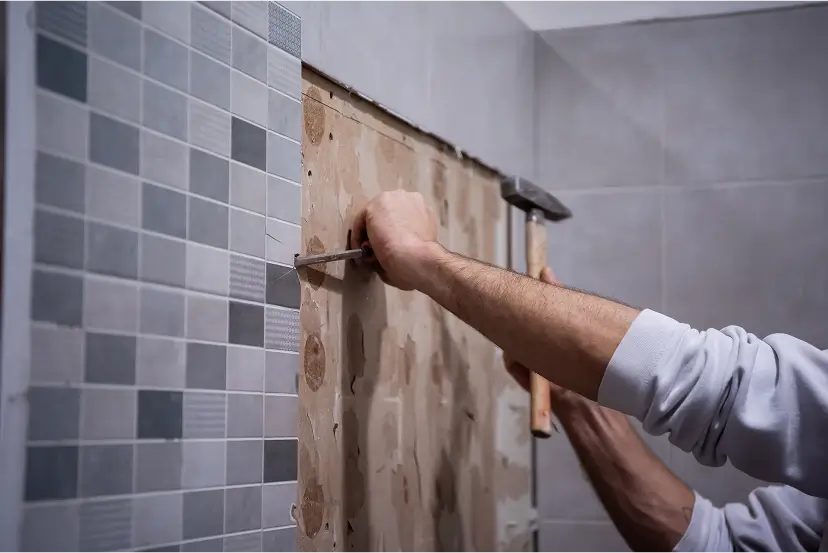
A damp or leaky basement can become a serious problem for any home. Not only does it compromise the structure of the house, but it also affects air quality, poses health risks, and can decrease property value.
Basement waterproofing is a key solution to prevent these issues and ensure the safety and comfort of your home. In this guide, we explain everything you need to know about basement waterproofing, including its benefits, techniques, and practical tips.
WHY WATERPROOF YOUR BASEMENT?
Waterproofing your basement is an essential investment to protect your home’s structure and ensure a safe and healthy environment. Moisture and leaks can lead to serious issues that affect both infrastructure and the quality of life of those living in the home.
Key Reasons to Waterproof Your Basement:
Structural Deterioration: Water accumulation weakens foundations and walls, causing cracks and dangerous deformations that could put your family at risk.
Health Problems: The presence of mold and mildew can cause allergies, respiratory issues, and severe chronic illnesses.
Loss of Usable Space: A damp basement becomes an unusable area, limiting its potential for storage or other functions.
Increased Repair Costs: If not addressed in time, moisture can lead to costly renovations and material replacements.
Pest Attraction: Excess moisture can encourage the presence of insects and rodents, further deteriorating the structure.
WATERPROOFING METHODS
There are various techniques to protect your basement from moisture and prevent water leaks. The right method depends on the type of problem, the severity of the moisture, and the structure’s characteristics. Below are the main waterproofing methods:
INTERIOR WATERPROOFING
Interior waterproofing is an effective solution to control basement moisture when leaks are mild or moderate. The main goal is to block water seeping through cracks in walls or floors, reduce condensation, and prevent mold growth.
Methods:
- Application of sealants and waterproof paints on walls and floors to block water entry.
- Use of special coatings and polyurethane membranes to reinforce protection.
- Installation of dehumidifiers to control condensation and maintain appropriate moisture levels.
- Injection of epoxy resin to seal internal cracks and prevent leaks.
EXTERIOR WATERPROOFING
When basement moisture comes from outside, exterior waterproofing is the most effective solution to prevent leaks and protect the home’s foundation. This method creates a waterproof barrier around the structure to stop groundwater and rain from penetrating basement walls and floors.
Methods:
- Application of polyethylene and cementitious waterproof membranes on retaining walls.
- Use of French drains or channeling systems to divert water away from the house.
- Installation of vapor barriers and gravel layers to prevent water infiltration from the ground.
- Construction of an insulation system with drainage panels to protect exterior walls.
DRAINAGE SYSTEM
A drainage system is one of the most effective solutions to prevent water accumulation in the basement and protect the home’s foundation. Its primary function is to divert water away from the structure, preventing leaks, flooding, and moisture damage.
Methods:
- Installation of sump pumps with automatic sensors to remove excess water.
- Implementation of interior drainage channels with perforated pipes to direct water out of the basement.
- Placement of perimeter drainage systems to prevent water from accumulating at the foundation.
ADDITIONAL TIPS TO KEEP YOUR BASEMENT DRY
Besides applying an appropriate waterproofing system, it’s essential to take preventive measures to avoid moisture buildup and keep your basement in optimal condition.
CONDUCT REGULAR INSPECTIONS: Inspect walls and floors for cracks and repair them immediately.
MAINTAIN GUTTERS AND DOWNSPOUTS IN GOOD CONDITION: Prevent rainwater from accumulating near the foundation.
CONTROL THE SLOPE OF THE TERRAIN: Ensure the ground around the house drains water away from the structure.
SEAL BASEMENT WINDOWS AND DOORS: Use weatherstripping and sealants to prevent moisture entry.
AVOID STORING ABSORBENT MATERIALS: Do not place wood or cardboard directly on the basement floor.
USE MOISTURE-RESISTANT MATERIALS: Opt for fiber cement panels and epoxy paint for walls and floors.
Always hire professional waterproofing experts to guarantee a safe and effective job, prevent future problems, and ensure long-term protection.

