


In the heart of New Jersey, where history blends with modernity and natural beauty, our homes are more than just structures; they’re sanctuaries, investments, and the backdrop of our lives. And the first impression a home gives, its «face,» is, without a doubt, the facade.
But did you know that this facade is much more than aesthetics? It’s your home’s first line of defense, an armor against New Jersey’s relentless weather, and a key factor in your property’s value and efficiency.
If you’re a homeowner in Somerset, Hunterdon, or Morris County, you know that the weather here doesn’t pull any punches. From humid summers to harsh winters, your facade is in a constant battle. That’s why understanding the importance of a healthy facade and knowing when it’s time to act is fundamental.
The Vital Importance of a Healthy Facade in Central New Jersey
Imagine for a moment: a sunny spring day, your house looks impeccable, its colors vibrant, its lines defined. That’s the first impression everyone gets.
First impressions and property value
In a competitive real estate market like New Jersey’s, your home’s aesthetics are a cornerstone. A well-maintained facade not only enhances visual appeal but also significantly increases resale value. Who wouldn’t want a home that looks well-cared for and strong from the first glance? It’s a smart investment that directly translates into dollars, making it more attractive to potential buyers in a region with such an active market.
Structural protection: your home’s shield
Think of your facade as your home’s skin. It protects the internal «organs» (the structure, insulation, pipes) from external elements. Cracks, detachments, or leaks in the facade are like open wounds that, if left untreated, can lead to much more serious and costly problems, such as wood rot, mold growth, and even compromise your home’s structural integrity. It’s your first line of defense!
Energy efficiency: a happier wallet in every season
Energy bills in New Jersey can be a headache, right? A well-sealed and insulated facade acts as a thermal barrier. It prevents heat loss in winter and keeps things cool in summer, which translates into a noticeable reduction in your heating and cooling costs. In a climate with such fluctuating temperatures, an efficient facade is crucial for maintaining optimal comfort at home and providing relief for your finances.
Common facade problems in Somerset, Hunterdon, and Morris county: a closer look
New Jersey’s climate is both a blessing for its changing seasons and a challenge for the durability of our homes.
Impact of New Jersey weather
Freeze-thaw cycles: Winters here are famous for their fluctuating temperatures. Water seeps into small cracks, freezes, expands, and then thaws. This repetitive cycle is the arch-enemy of brick, stucco, and concrete, causing cracks, spalling, and the dreaded «spalling» (surface flaking).
Humidity and heavy rain: Heavy rains are not uncommon. If the facade isn’t properly sealed, water can infiltrate, leading to mold, mildew, and rot, especially in older homes in the region that may not have modern moisture barriers.
Wind and storm damage: From wind gusts to snowstorms and occasional hurricanes, the elements can tear off siding, damage shingles, and compromise the stability of other facade components.
Sun exposure: The intense UV rays of the summer sun can fade paint, dry out and crack wood, and deteriorate the integrity of many materials over time.
Specific problems by material
Each material has its own peculiarities:
Brick and mortar: Over time, the mortar binding the bricks can crumble or crack (a phenomenon known as «repointing»). Loose or cracked bricks that need to be replaced can also appear.
Stucco: If not installed with proper moisture barriers, stucco is prone to cracks, spalling, and water stains. Often, hidden moisture problems are difficult to detect until the damage is significant.
Siding (vinyl, fiber cement, wood): Panels can break, warp from extreme heat, fade, or come loose from their fastenings, leaving your house exposed.
Wood (siding, trim): Wood is susceptible to rot if not kept dry and sealed. It can also splinter and paint can peel.
Paint: Peeling, blistering, and fading paint are not only unsightly but also indicate that your home’s protective layer is failing.
Foundation problems: Small cracks in the facade that seem insignificant could be a sign of foundation settlement. If you have suspicions, a professional evaluation is crucial.
Warning signs: when it’s time to repair your facade

You don’t have to be an expert to recognize that something isn’t right. Your home will speak to you if you know how to listen.
Visual guide for homeowners
Here’s a list of common signs you should pay attention to:
- Visible cracks: Small or large, in brick, stucco, concrete, or paint.
- Moisture stains or mold: Especially around windows, doors, or under eaves.
- Peeling or blistering paint: A clear sign that moisture is trapped or the paint is failing.
- Crumbling mortar or loose bricks: On brick facades.
- Broken, bent, or discolored siding panels.
- Rotten, splintered, or soft-to-the-touch wood.
- Distortion or bowing in the cladding.
- Accumulation of moss or algae: In areas that remain damp.
Regular inspection
You’d be surprised what you can detect with a simple walk around your house. Conduct seasonal or annual inspections, especially after severe weather events like heavy snowfalls or storms, to identify problems early before they worsen.
Odors
If you notice a damp or moldy smell inside your house, it could be a sign that moisture is infiltrating through the facade and causing hidden problems that require immediate attention.
Common repair options for residential facades
Once the problem is identified, it’s time to consider solutions to bring your facade back to life.
Brick and mortar repair: This involves removing deteriorated mortar and replacing it with fresh mortar (the repointing process). Damaged bricks are also replaced to restore integrity and aesthetics.
Stucco repair and resurfacing: Cracks are filled, spalled areas are repaired, and in some cases, a new layer of stucco is applied over the existing one. It’s crucial to ensure proper drainage systems are installed to prevent future moisture problems.
Siding replacement and repair: Individual siding panels can be repaired or replaced if the damage is localized. If the damage is extensive or there’s a desire to update the appearance, a complete replacement may be the best option.
Wood treatment: Rotten wood must be removed and replaced. Then, healthy wood is sanded, treated, and sealed or repainted to protect it.
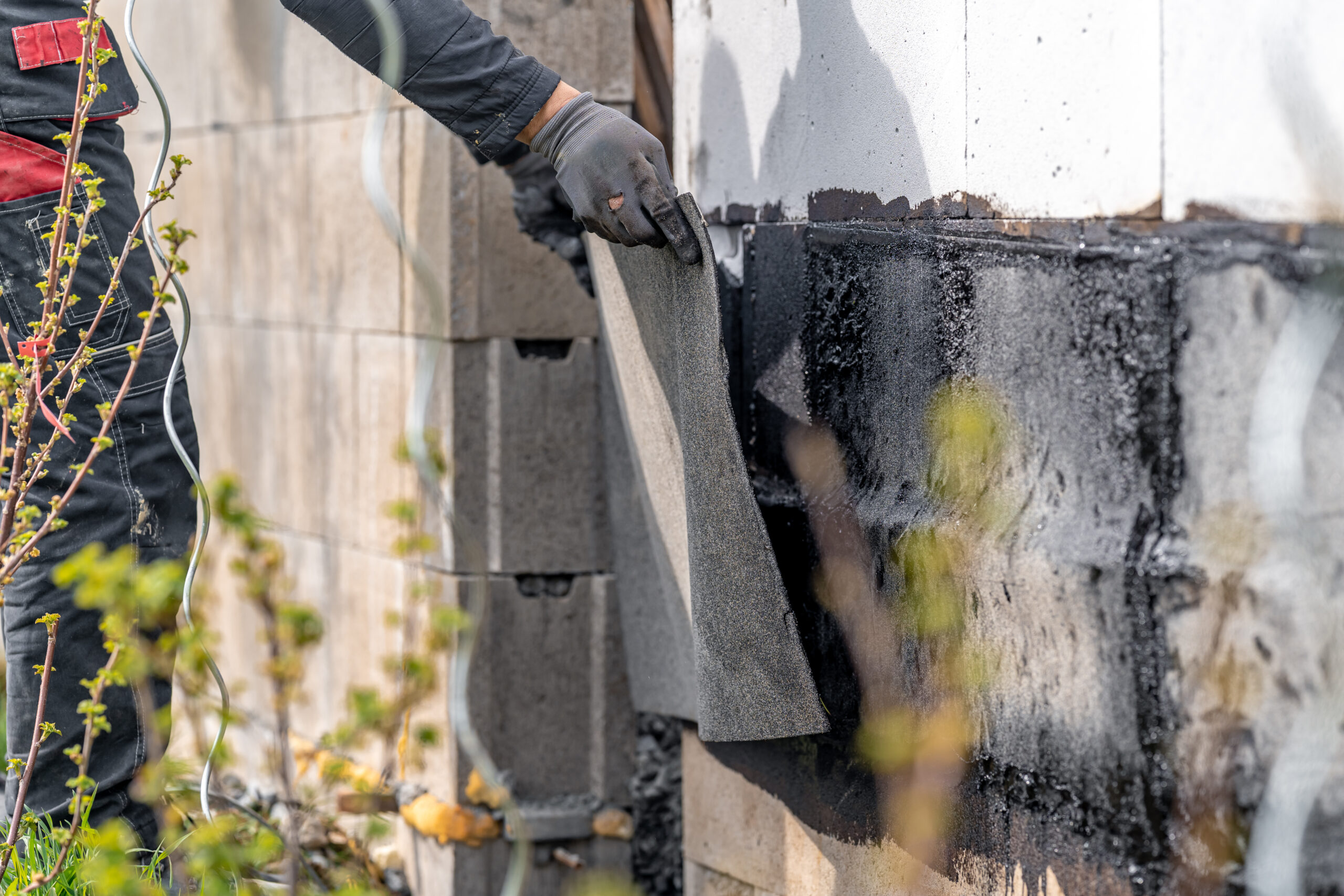
Waterproofing and sealing: A crucial step is to seal all penetrations, such as windows, doors, pipes, and ducts, with high-quality sealants to prevent water entry.
Exterior painting: Beyond aesthetics, exterior paint is a protective barrier. Good surface preparation and choosing a high-quality paint, designed to withstand New Jersey’s climate, are fundamental for long-lasting durability.
Hiring a professional for facade repair in new jersey: your best investment
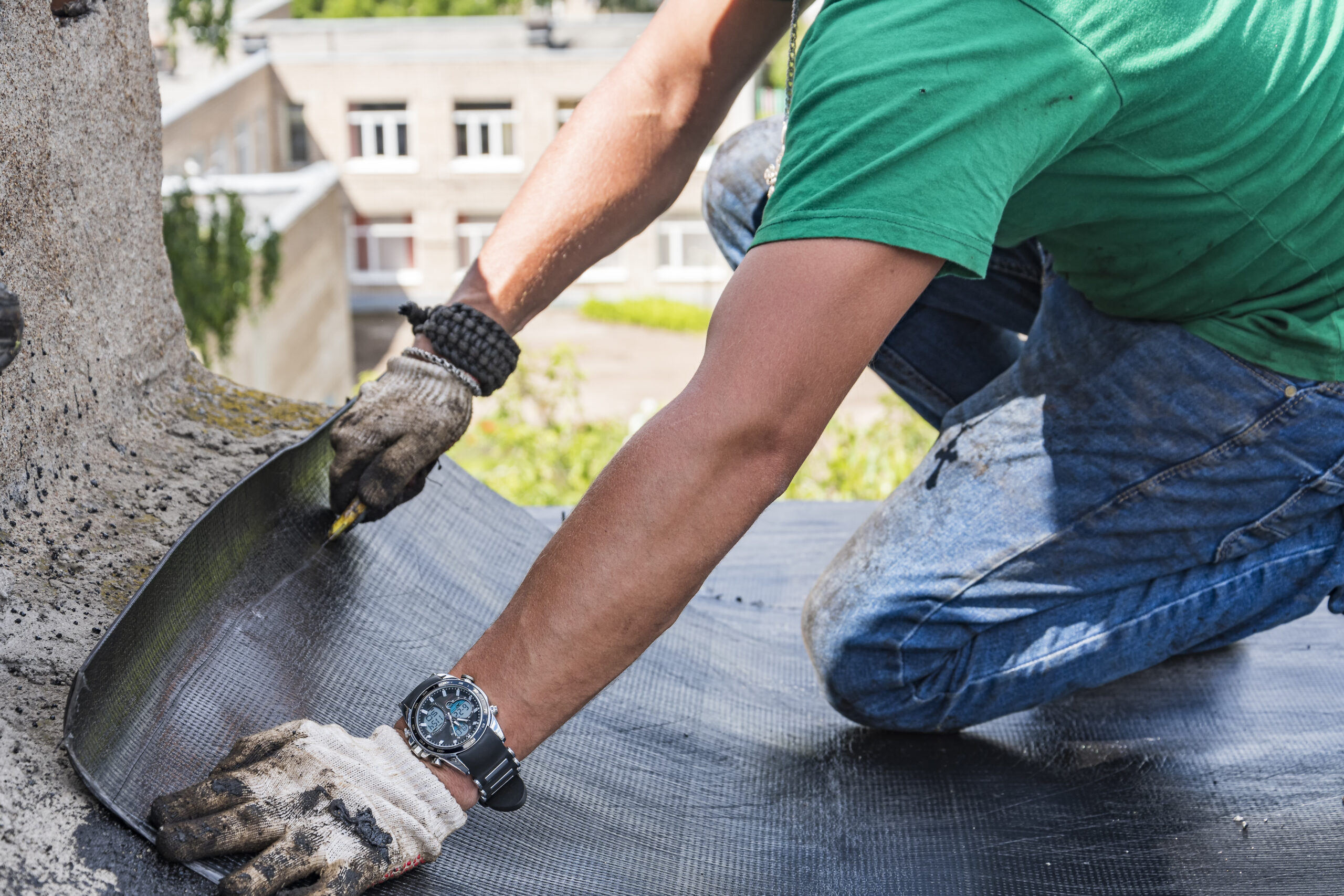
While some minor repairs can be a DIY project, facade restoration is, in most cases, a job for professionals.
Why a Professional?
- Experience with regional materials and specific problems: An experienced local contractor knows the materials best suited to New Jersey’s climate and common problems in homes in Somerset, Hunterdon, and Morris County.
- Knowledge of local building codes: New Jersey has a strict building code (the New Jersey Uniform Construction Code – UCC), which incorporates the International Residential Code for residences. A professional ensures all work complies with these regulations, avoiding fines and future problems.
- Safety: Working at heights and with certain materials can be dangerous. Professionals have the equipment and training to do so safely.
- Warranty: A reputable contractor will offer a warranty for their work, giving you peace of mind and confidence in the durability of the repair.
Take care of your home’s skin
The facade of your home in Somerset, Hunterdon, or Morris County isn’t just about a «pretty face.» It’s a critical component of its value, structural protection, and energy efficiency. By paying attention to warning signs and investing in professional repairs when necessary, you’re not only maintaining your property’s curb appeal but also ensuring your home’s longevity and health. Don’t underestimate the power of a well-maintained facade; it’s the armor that protects your most cherished investment!
Are you ready to give your facade the attention it deserves?