



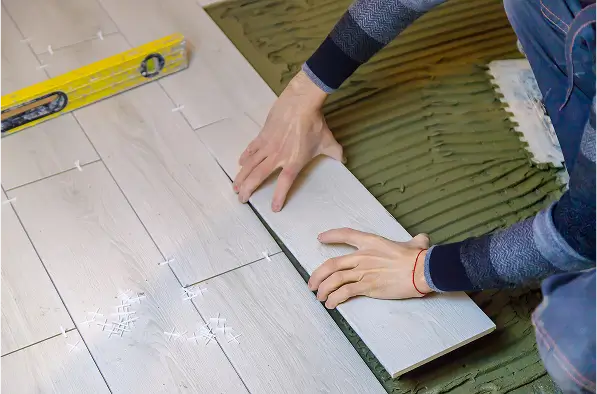
Tile installation has evolved from being a purely technical detail to a design decision with high visual, functional, and economic impact in modern homes. Today, more than ever, floor and wall coverings reflect lifestyle, personal taste, and the need to create durable, easy-to-maintain, and aesthetically appealing spaces.
In a place like Miami, where natural light, warm weather, and indoor-outdoor living blend seamlessly, choosing and installing tile correctly can make the difference between an ordinary space and one full of character. This article explores everything you need to know to achieve flawless tile work that fits the needs and potential of your home.
Tiles Are Not Just a Finish — They’re the Foundation of Your Life
Floors and walls covered in tile serve more than an aesthetic purpose. These surfaces must withstand time, daily foot traffic, humidity, temperature changes, and the natural wear of everyday use. That’s why proper installation is more than simply laying pieces — it’s a precise craft that ensures functionality, hygiene, and long-lasting beauty.
The versatility of tile makes it one of the best options for bathrooms, kitchens, terraces, entryways, and social areas. Advances in materials and designs now allow for porcelain that mimics marble, ceramics that resemble natural wood, or colorful mosaics for unique accents. This variety opens up endless possibilities for personalization without sacrificing resistance or practicality.
Choosing the Right Material for Each Space
One of the key factors in any tile installation project is choosing the right material for each environment. For example, in humid areas like bathrooms and kitchens, porcelain is ideal thanks to its low porosity and high resistance. For outdoor areas, non-slip tiles are essential to prevent accidents, while in dry interiors you can opt for more delicate finishes or soft textures that add comfort underfoot.
Another important factor is tile size: large tiles create a sense of spaciousness and continuity, ideal for open spaces. In contrast, smaller or mosaic-style formats are best for decorative details, transitional areas, or feature walls. Every decision should be based on both technical and aesthetic criteria — and good professional advice can help you find the perfect balance.
Preparation and Precision: The Key to a Flawless Finish
Before placing the first tile, it’s crucial that the surface is level, clean, and dry. The preliminary work of measuring, aligning, and marking out the space largely determines the final outcome. A skilled installer plans every cut, respects expansion joints, chooses the right adhesive, and ensures each line of tiles stays visually consistent throughout the space.
In modern home designs, minimal grout lines or perfectly aligned joints between floor and wall tiles are often desired. This level of precision requires experience, proper leveling tools, and professional execution. Additionally, high-quality sealants help preserve the original grout color, prevent water seepage, and make daily cleaning easier.
Aesthetics, Durability, and Efficiency: The Three Pillars of a Good Installation
Investing in professional installation not only guarantees a good initial appearance but also long-term performance that withstands the test of time. Properly installed tiles stay firmly in place, don’t crack or lift, and maintain their color and finish without frequent touch-ups. Their thermal resistance and easy cleaning make them an ideal choice for warm climates like Miami’s, where keeping the home fresh and functional is a priority.
From an aesthetic perspective, the right combination of layout pattern, tile type, and grout color can enhance — or disrupt — the look of a room. For example, herringbone, diagonal, or checkerboard installations can add movement to neutral spaces, while invisible joints help create a more seamless and minimalist look. These subtle details make a big difference in a thoughtfully designed home.
Tips for Choosing the Perfect Type of Tile
Choosing the right tile is just as important as the installation itself. Here are some tips to help you make the best choice:
- Evaluate the space’s usage: High-traffic areas like the kitchen or entryway require more durable tiles. Meanwhile, a bathroom or bedroom can allow for more delicate or decorative materials.
- Consider moisture levels: In humid spaces, look for tiles with low water absorption and slip-resistant surfaces. Porcelain is one of the most recommended options.
- Think about cleaning and maintenance: Matte or textured finishes may be harder to clean than glossy ones. If you’re looking for easy upkeep, prioritize smooth, non-porous surfaces.
- Take room size into account: Large tiles in small rooms can make the space feel even smaller. On the other hand, small tiles with lots of grout lines can interrupt visual flow in larger areas.
- Match the home’s style: For modern homes, choose neutral tones and smooth finishes. For rustic or boho environments, handmade tiles or wood-look ceramics work beautifully.
- Consult with professionals: At 4Guys, we’ll help you find the tile that best suits your style, your space, and your budget.

Installing Tile Is More Than a Technical Step — It’s an Opportunity
Installing tile and flooring goes far beyond being a technical phase of a project. It’s an opportunity to combine design, functionality, and durability in key areas of your home. Choosing quality materials is important, but executing the work with precision, experience, and professional judgment is what ensures an impeccable result.
With a team like 4Guys, each tile becomes a vital piece of the whole. Whether you’re doing a full remodel or updating a single space, investing in professional tile installation means betting on beauty that lasts, comfort you can feel, and design that transforms.

